
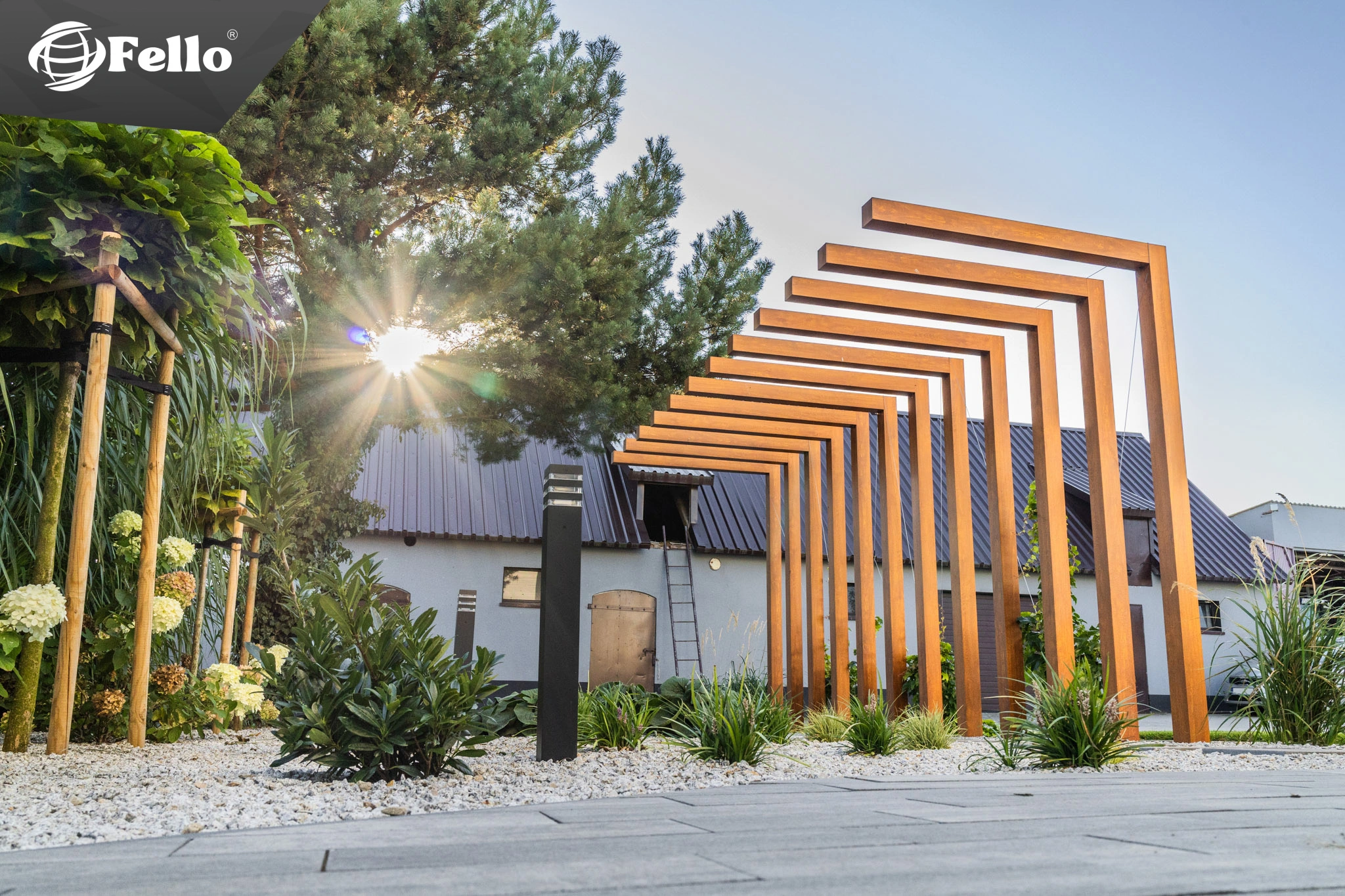
Choosing the right aluminium profile depends above all on what it has to do, the strength required, the dimensions and the way it will be fixed. It is worth knowing the most common types and uses of the individual profiles, so that the right one for a particular project is easier to find.
Where to order aluminium profiles
Fello manufactures aluminium profiles to measure, including cutting to length and powder coating. Non-standard sizes and larger quantities are quoted individually.
Aluminium profile types – lightweight components made of aluminium
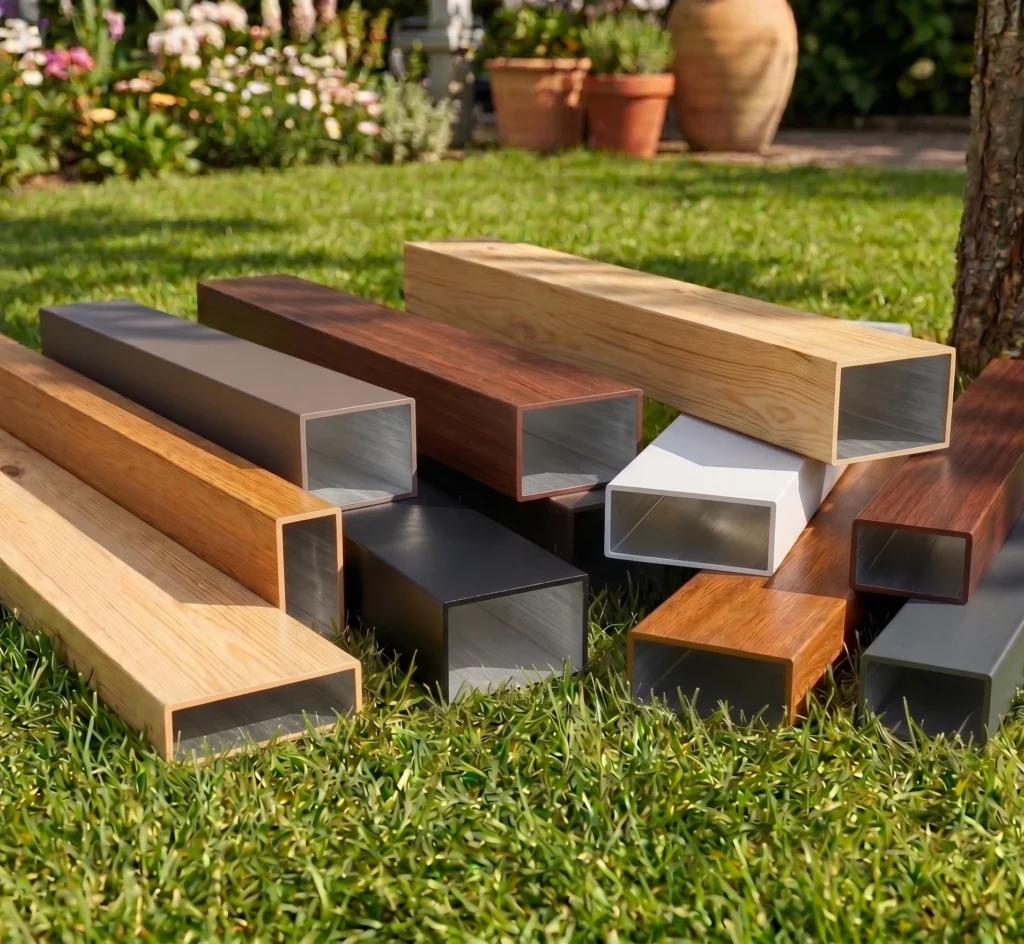
The main way profiles are grouped is by cross-section. The shape largely determines the properties of the component, what it can do and how it can be used in a particular structure. The most common aluminium profile types are closed profiles with a square or rectangular cross-section, along with angles, channels and flat bars.
Closed aluminium profiles with a square cross-section
A closed profile with a square cross-section can be structural, used for fixing or purely decorative. Square profiles are used for frames, fences, railings, shelving and enclosures, among other things. They are made of aluminium, so they stay light, and correctly specified they can offer high strength and corrosion resistance.
Closed aluminium profiles with a rectangular cross-section
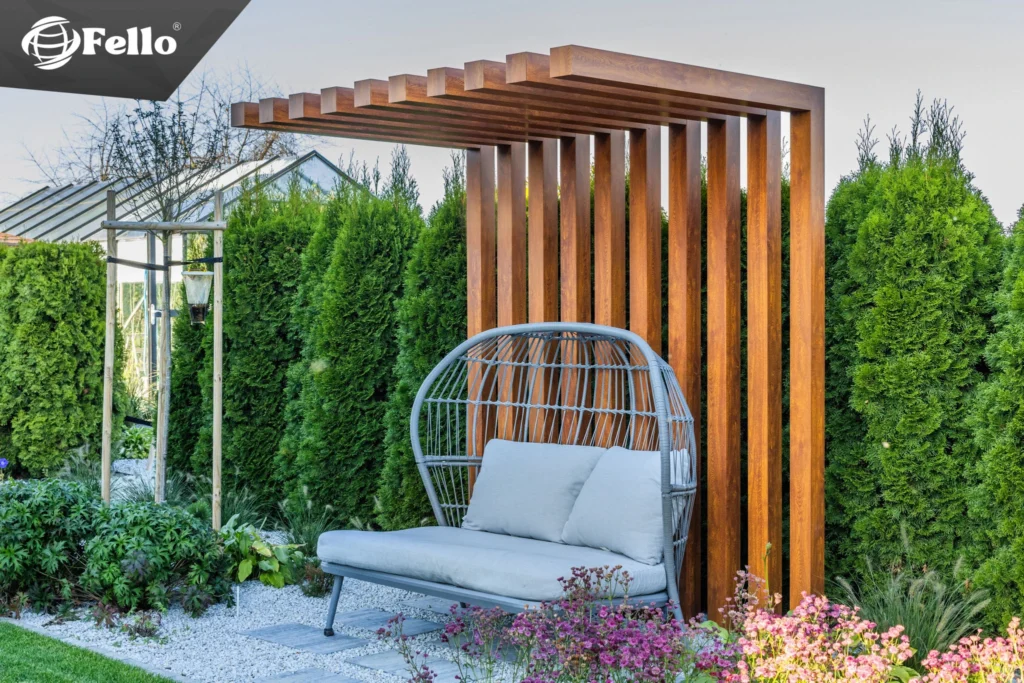
Rectangular profiles have a closed cross-section with sides of different lengths, which opens up different design options compared with a square profile. They are used for fences, railings, pergolas, frames and enclosures – the dimensions and wall thickness are matched to what the structure has to do.
Aluminium angles
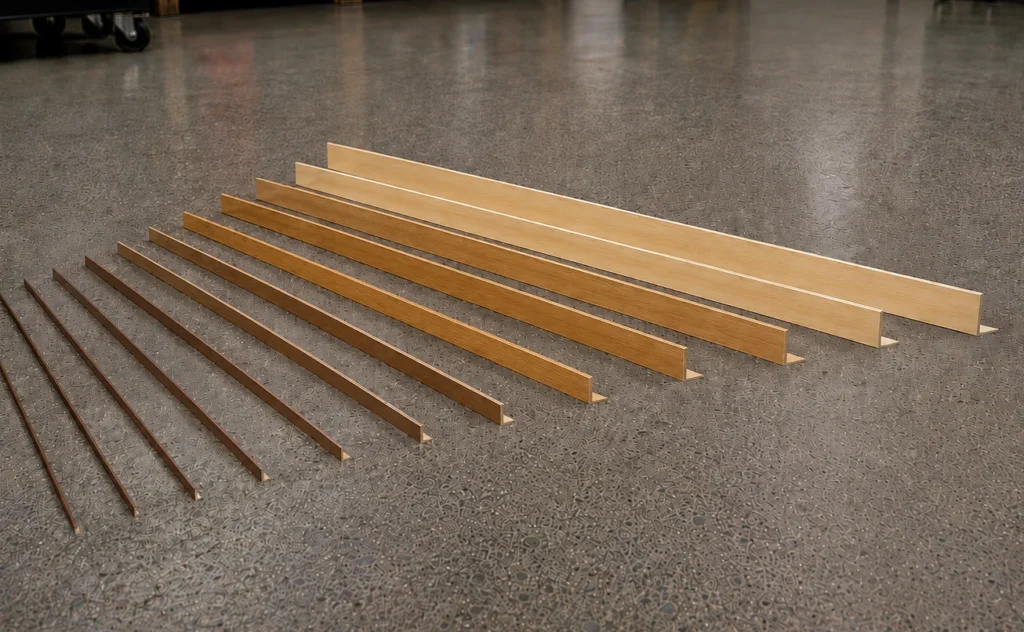
An aluminium angle has an L-shaped cross-section and can be used for fixing, joining, reinforcing or finishing. Angles are used for frames and enclosures, to protect edges and to join components, which gives them a wide range of uses across different projects.
Aluminium channels
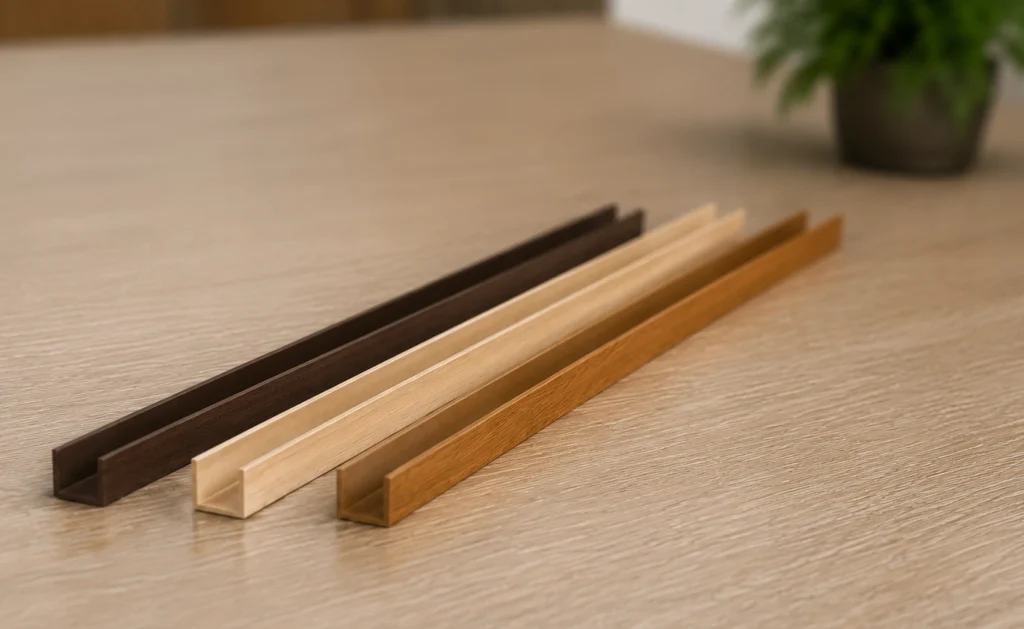
Aluminium channels have an open cross-section shaped like a C or a U. They work as structural and fixing components – for guides, edging and enclosures, for example – and also as a neat finish to a structure.
Aluminium flat bars
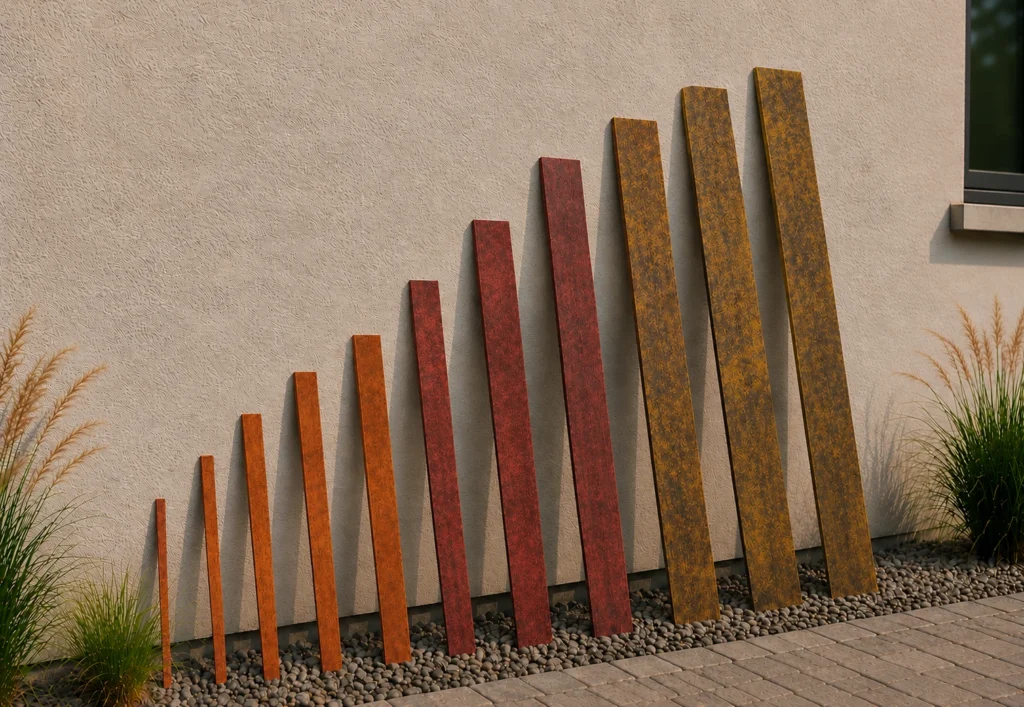
A flat bar has a flat, rectangular cross-section and can be used for joining, reinforcing, fixing or decoration. It is used for frames, enclosures, structural details and finishing work, among other things.
Where aluminium profiles are used
Aluminium profiles are used widely because they combine low weight, strength, corrosion resistance and easy machining. What a profile can do depends on its cross-section, its dimensions and its wall thickness.
They are most often used for:
- fences and railings,
- pergolas and canopies,
- frames and shelving,
- enclosures and covers,
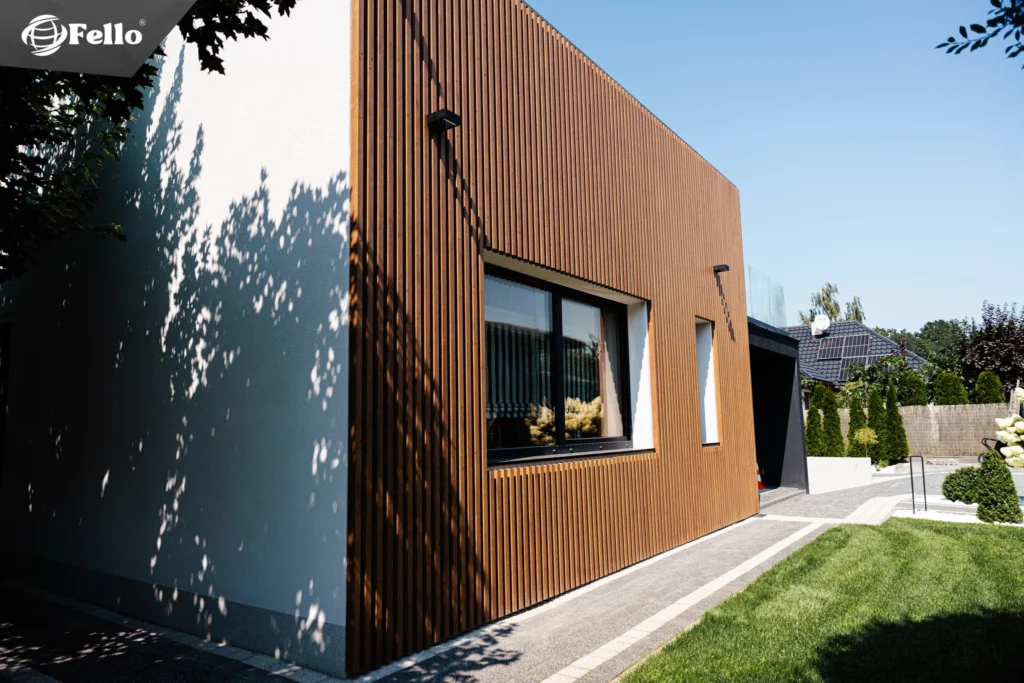
- facade components,
- decorative and practical structures.
Profiles are used not only in construction, but also in industry and other sectors, where low weight, durability and the option of matching components to a project all matter. Larger projects also use aluminium beams, for pergolas, carports and canopies, for example. The Fello range also includes aluminium facade panels for creating a modern facade.
How to choose the right type of aluminium profile for a project
The key is matching the specification of the profile to the job it has to do in the structure. The main things to consider are the cross-section, along with the dimensions of the profile, the wall thickness, the loads expected, where it will be used and how it will be fixed.
A profile used as a light finishing component has different requirements from a load-bearing component in a pergola, a railing or a larger frame. Where a profile is to carry load, its specification has to be matched to the requirements of the project, so that the finished structure is stable and strong enough.
The finish matters too. Aluminium profiles can be powder coated, so the colour can be matched to the project while giving a durable surface that stands up to the weather and to knocks.
Installing aluminium profiles and ways of joining them
How aluminium profiles are installed depends on the type of structure and on the profile chosen. Individual components may call for suitable connectors and fixings, or for welding.
It is worth thinking at the design stage not only about the dimensions of the profile, but also about how it will be joined to the other components. Well-planned installation affects the stability, the strength and the appearance of the finished structure.
Fello helps with selecting the right profiles and prepares them to measure, which reduces the extra work needed before installation. Fello also uses aluminium components in its own projects – in pergolas, canopies, facades and fences.
You can read more about the options in the article on joining aluminium profiles.
Aluminium profiles cut to measure
The standard length of a profile does not always suit the requirements of a particular job. Ordering components already cut to the required sizes reduces extra work, cuts down on waste and makes installation easier later on.
Fello supplies aluminium profiles in a range of cross-sections and sizes, with cutting to measure and surface finishing. The maximum length of a single section is 6 m.