
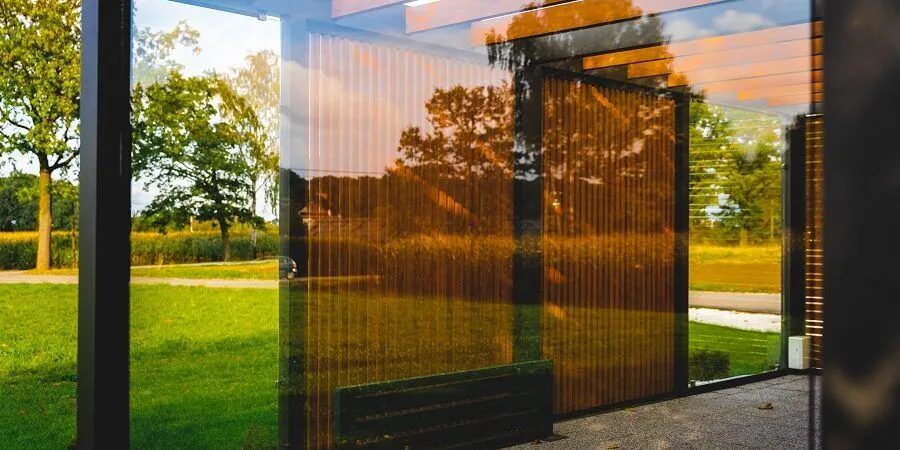
Nature does us good. Resting surrounded by greenery calms and relaxes far more quickly than time spent anywhere else. Being outdoors strengthens the immune system and gets more oxygen to the brain. It is also the best recovery for a mind and eyes that take in a great deal of information every day.
Dreaming of a beautiful, peaceful place that lets you unwind every day? Here is how to design a relaxation area in a garden, so you can call it your own private oasis of calm in the fresh air.
How do you design a relaxation area?
Where do you start planning a garden with a relaxation area? Above all, by working out how you picture your own outdoor retreat. An oasis of calm does not have to match the architectural style of your building. If your house is classic in style, you can quite happily arrange the terrace in a boho or modern style; and if you live in a modern building, a rustic scheme works just as well. Combinations like these are in fashion.
Here are the top three styles used in garden design:
1) Boho — patterns inspired by various cultures (folk or Scandinavian, for instance) and pieces made from natural materials.
2) Rustic — delicate flowers, furniture in natural materials (wicker or timber) and older pieces (pots or garden tools, for example).
3) Modern — raw materials (aluminium, concrete, glass, ceramics, timber), simple minimalist forms, muted colours and a play of LED light.
A relaxation area in the garden, on the terrace or on the balcony?
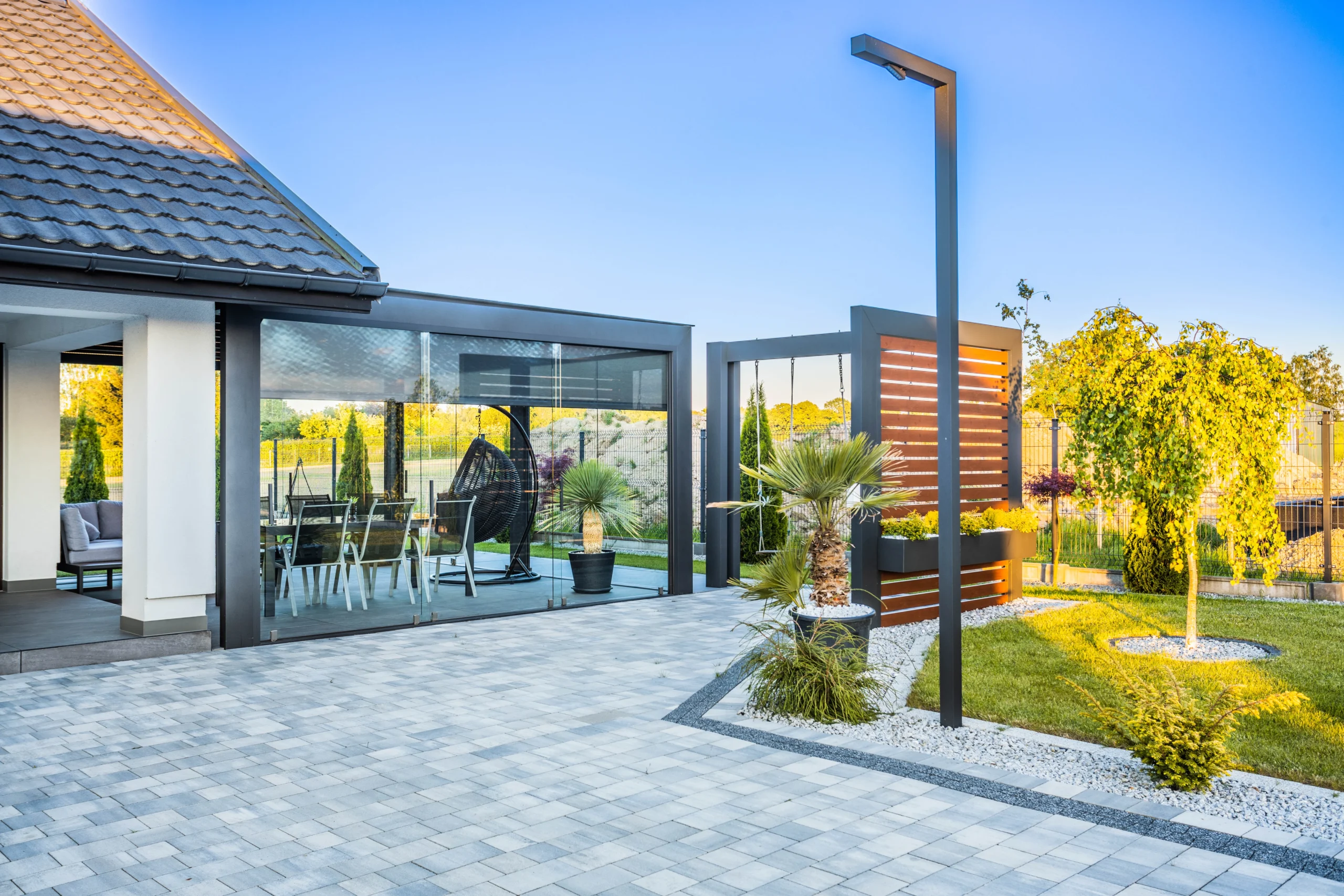
Wondering where the right place for your relaxation area is? Think carefully about the role it is to play — will it be somewhere to hold a barbecue, to spend pleasant time with those closest to you, or to rest in your own company with a cup of coffee?
You can create a relaxation area in the garden, on a terrace, on a balcony, or choose a free-standing gazebo. A winter garden or conservatory is another excellent idea, serving its purpose all year round. Add the right equipment to make the space more appealing — a garden stove, a barbecue or a fire pit.
Beyond that, plan atmospheric paths leading to the separate zones in your garden. The surface should be properly firmed (comfortable and safe) — stone, concrete slabs, brick, clinker, gravel, timber or other materials.
Privacy in your garden relaxation area
A gazebo or canopy protects effectively against sun and rain, but also screens you from the curious gaze of passers-by or neighbours. What are the best-known ways of gaining privacy in your own garden? Here is what most people go for:
- enclosing the whole area — with a hedge, a low wall, or a substantial fence with wide spans,
- trees or lush planting schemes that form a natural but effective barrier,
- screening at specific points — larger trees or shrubs that block a neighbour’s windows,
- folding pavilions, garden parasols and awnings (opened and closed depending on the weather),
- screens and partitions — they protect your privacy but also shelter you from wind and sun.
Arranging a garden — a relaxation area is not everything
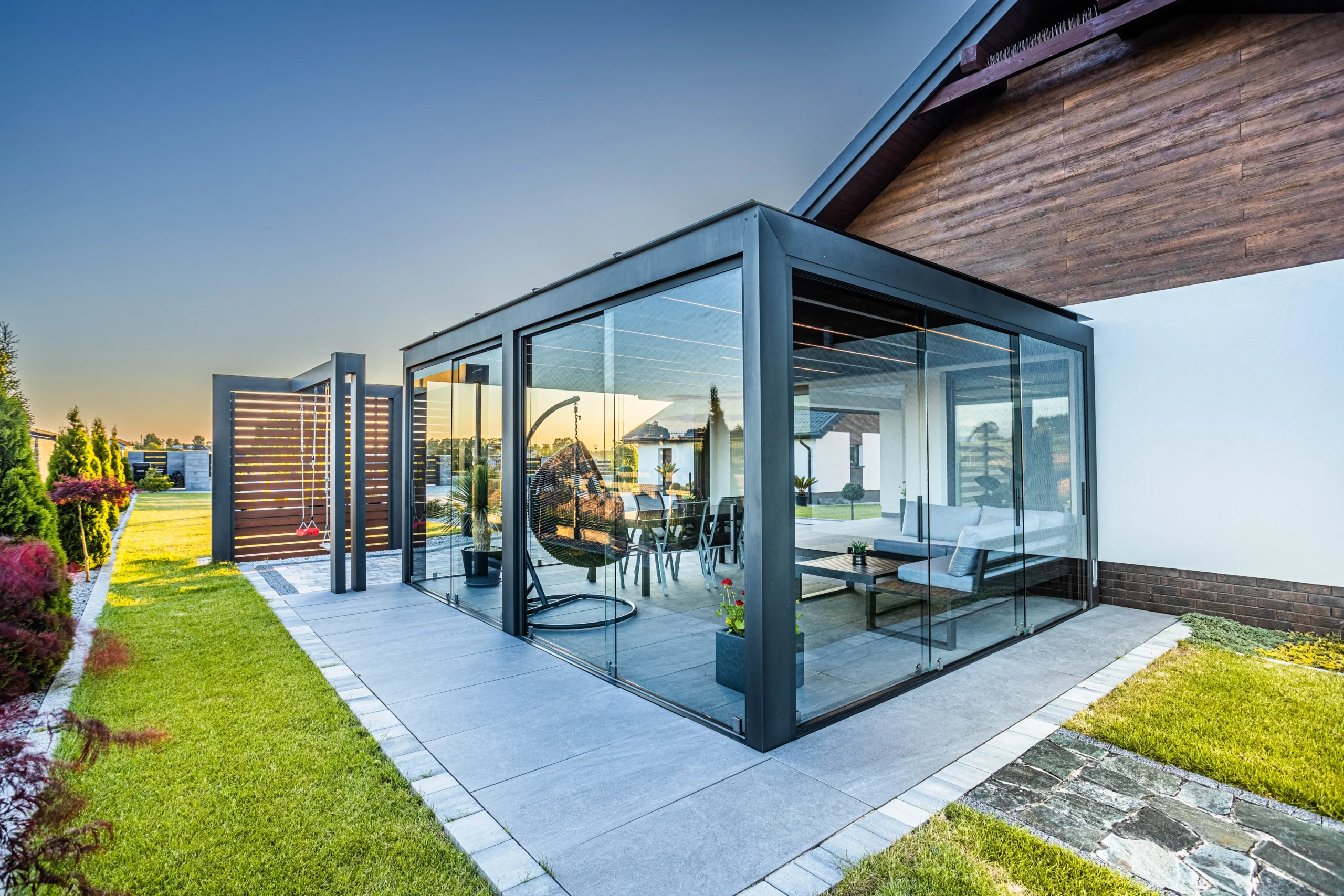
When designing a garden it is worth thinking about more than just the area to relax in. Planning places with other purposes is a good idea too. Well-considered zones make a garden more practical and comfortable, and keeping it tidy becomes easier because everything has its place.
- A showpiece area in front of the house — flowers, planting, well-planned and lit paths, the front garden that welcomes guests. This is where the most decorative plants, sculptures, fountains and striking planters belong, to create a wow effect.
- A leisure area — hot tub, pool, sauna.
- Storage in the garden — a timber shed, for instance, to hold garden equipment or bicycles.
As you can see, arranging a garden properly is worth the effort — comfort and practicality above all. Start planning your outdoor retreat today.